 Français
 العربية
CIVIS Africa–Europe Forum – Casablanca | March 23–27, 2026
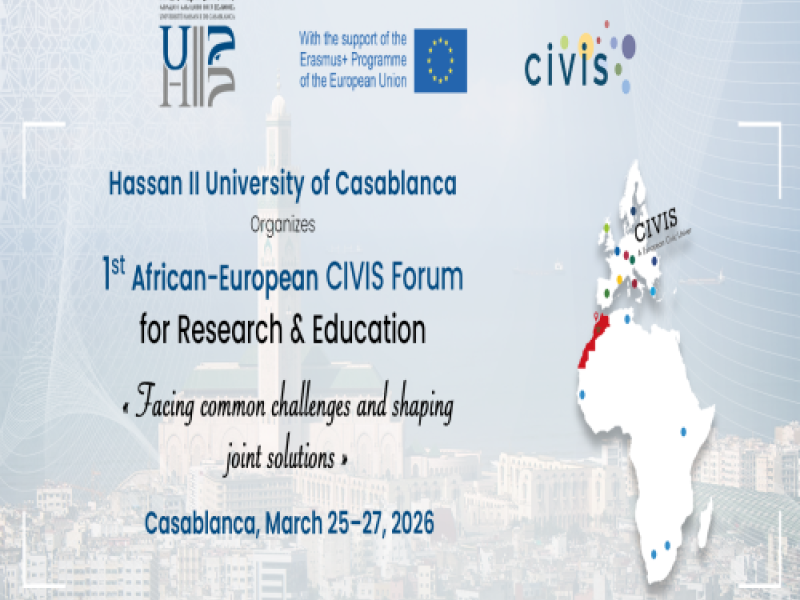
A Week of Dialogue, Discovery, and Lasting Partnerships
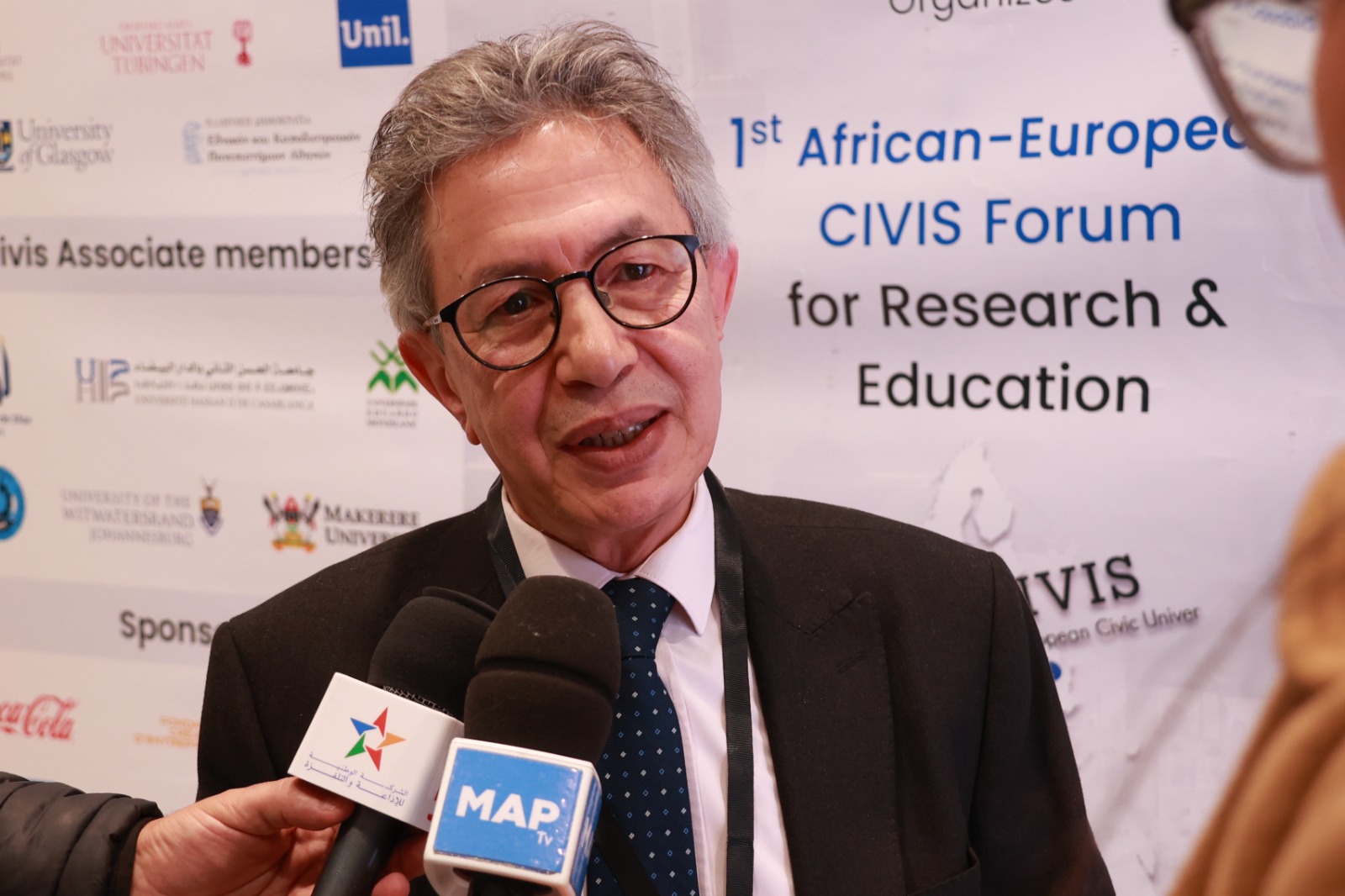
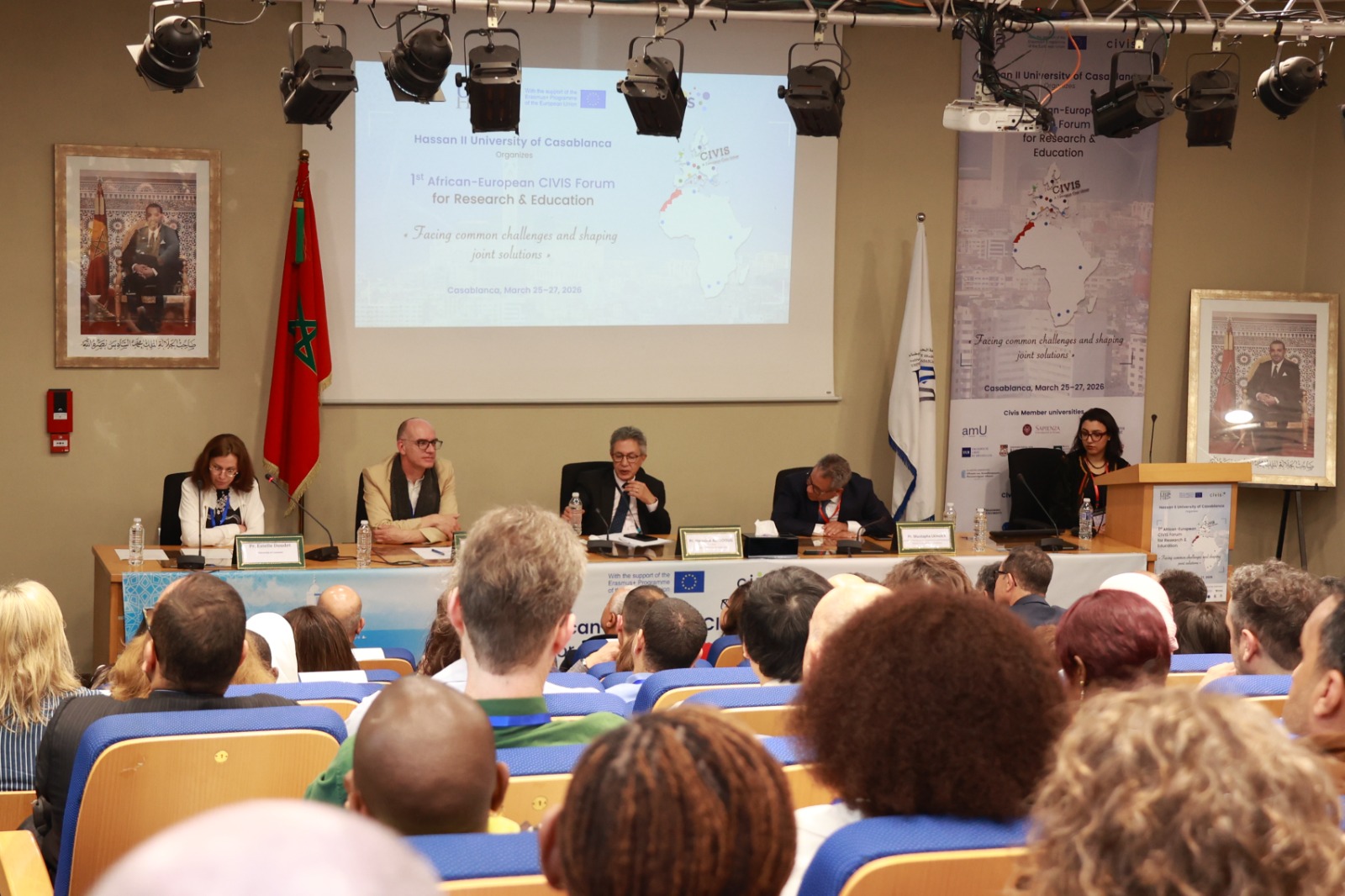
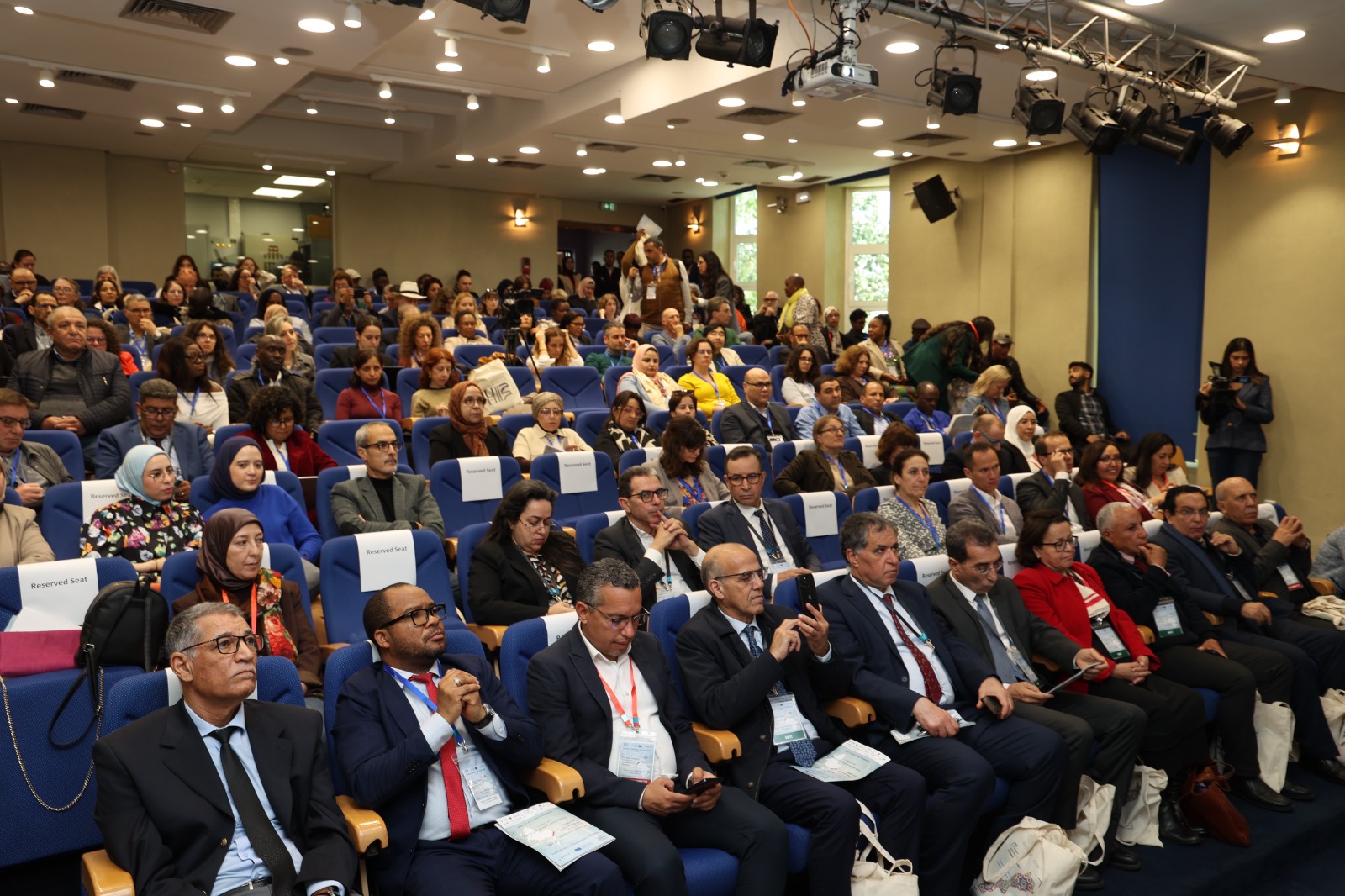
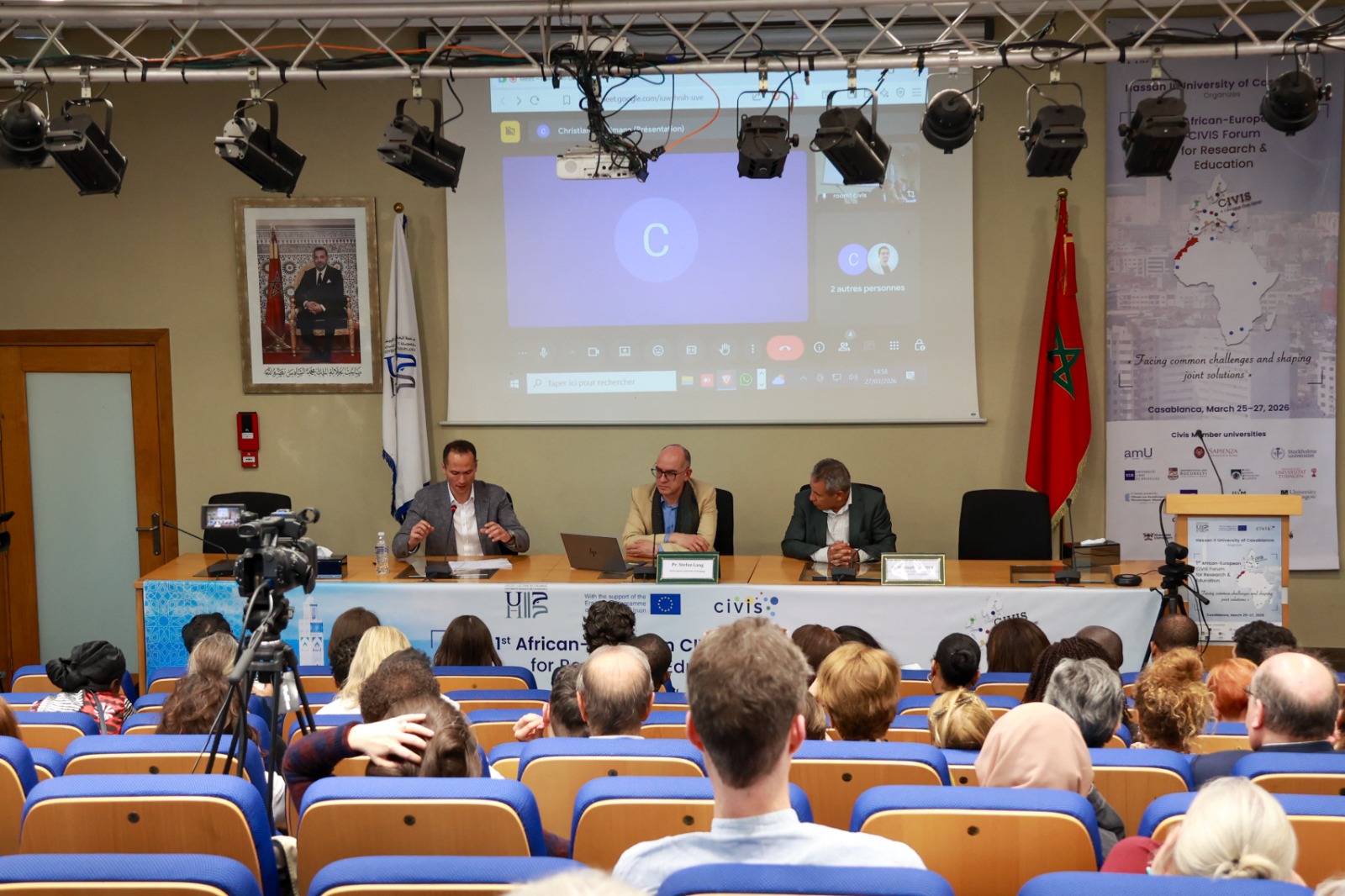
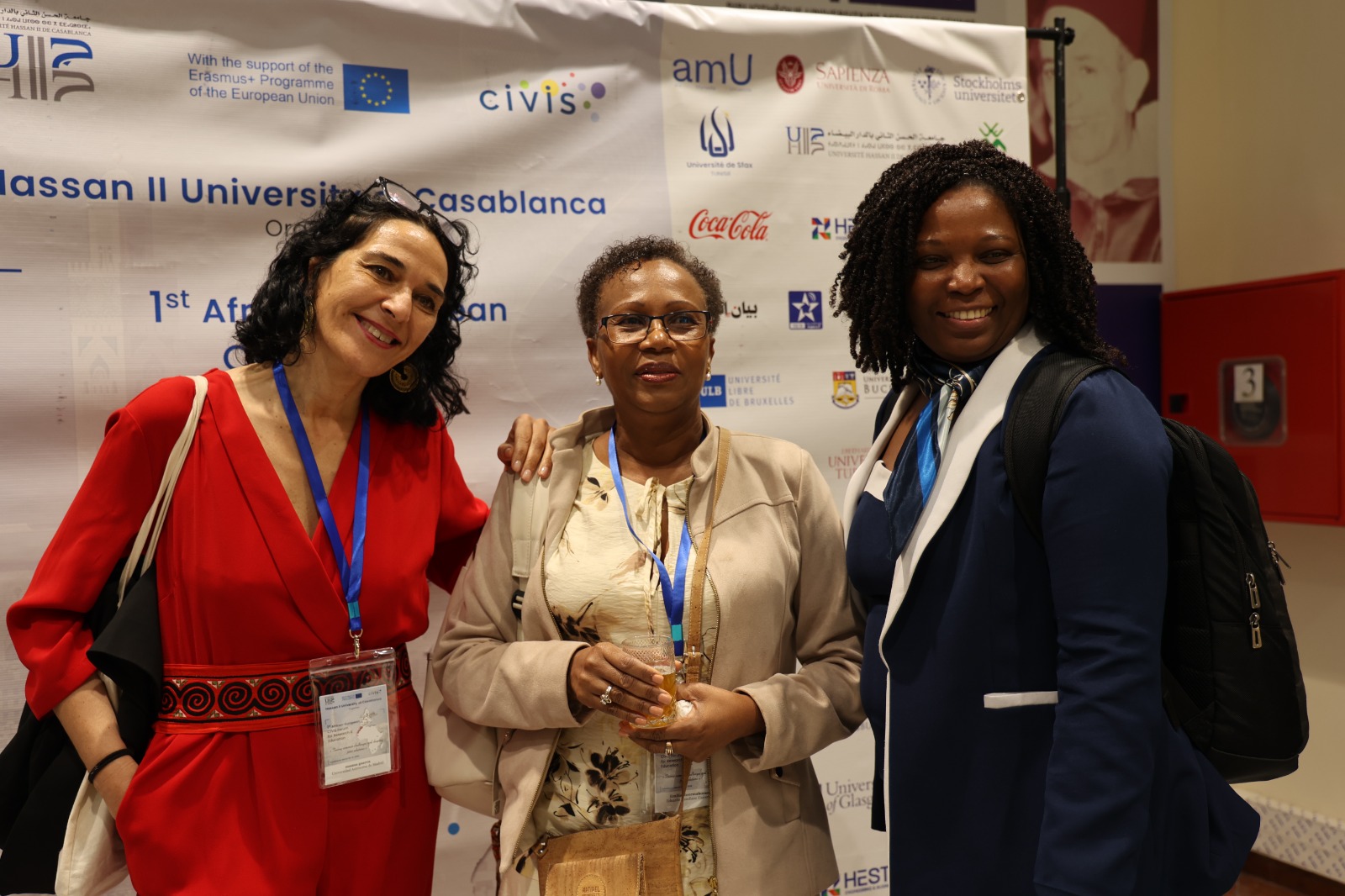
From March 23 to 27, 2026, Hassan II University of Casablanca (UH2C) had the honor of hosting the first CIVIS Africa–Europe Forum for Research and Education, under the theme "From Shared Challenges to Shared Solutions." The week brought together academic leaders, researchers, and institutional partners from across Africa and Europe to foster dialogue, co-construct knowledge, and build sustainable collaborations./p>
Pre-Forum Cultural Immersion – March 23-24, 2026
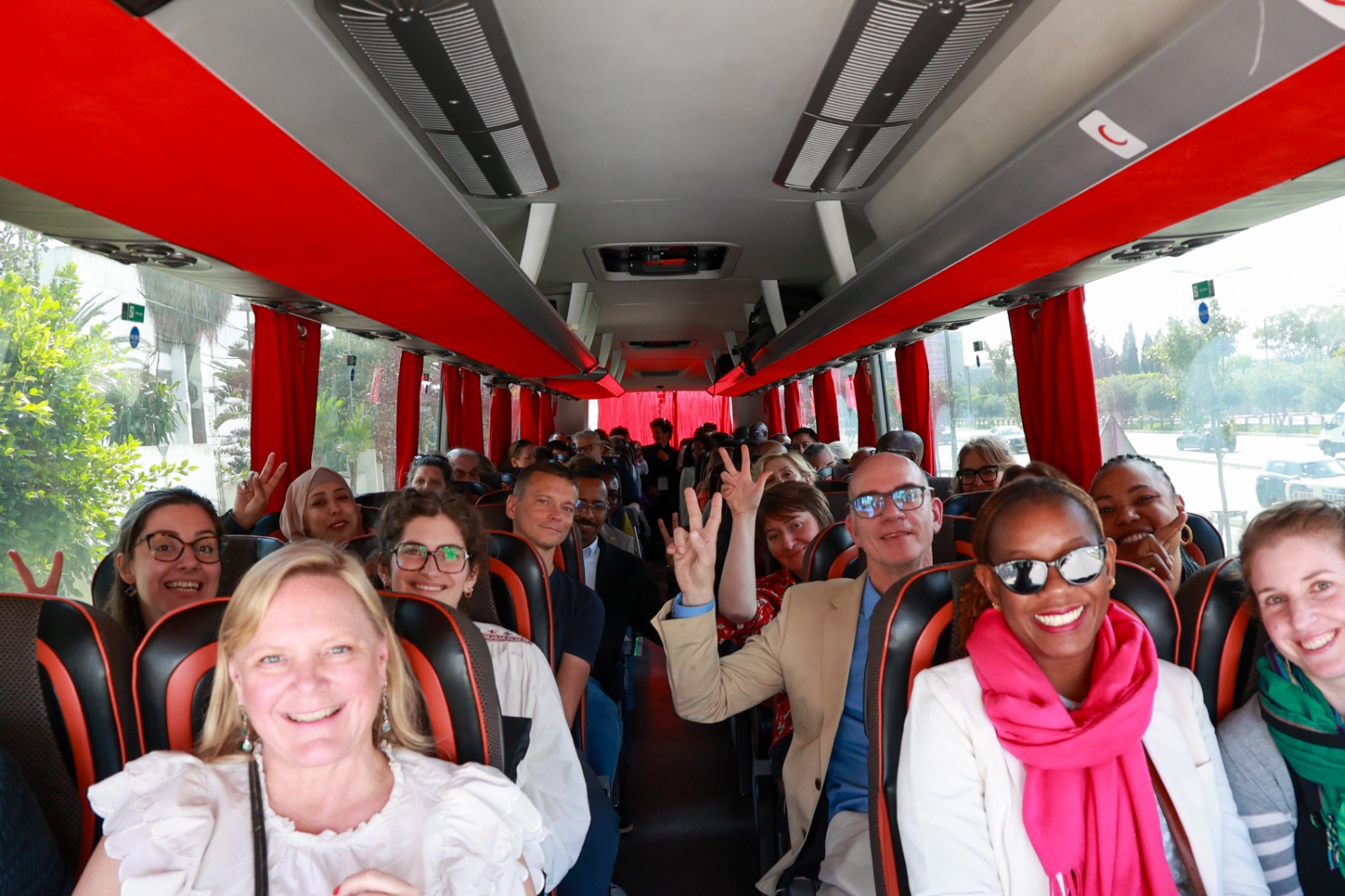
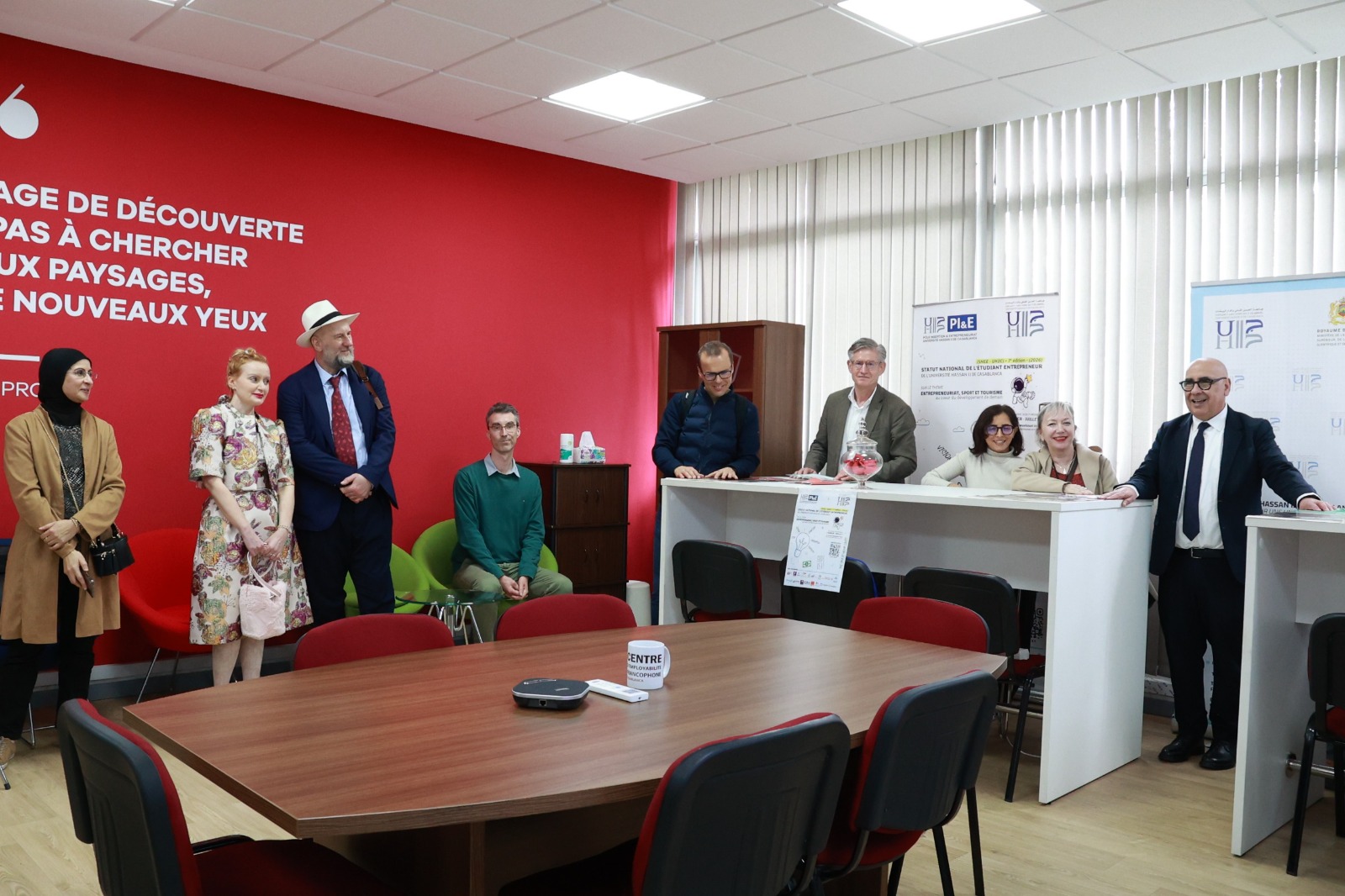
Ahead of the scientific program, international participants were invited to discover both the innovative facilities of Hassan II University and the cultural heritage of Casablanca.
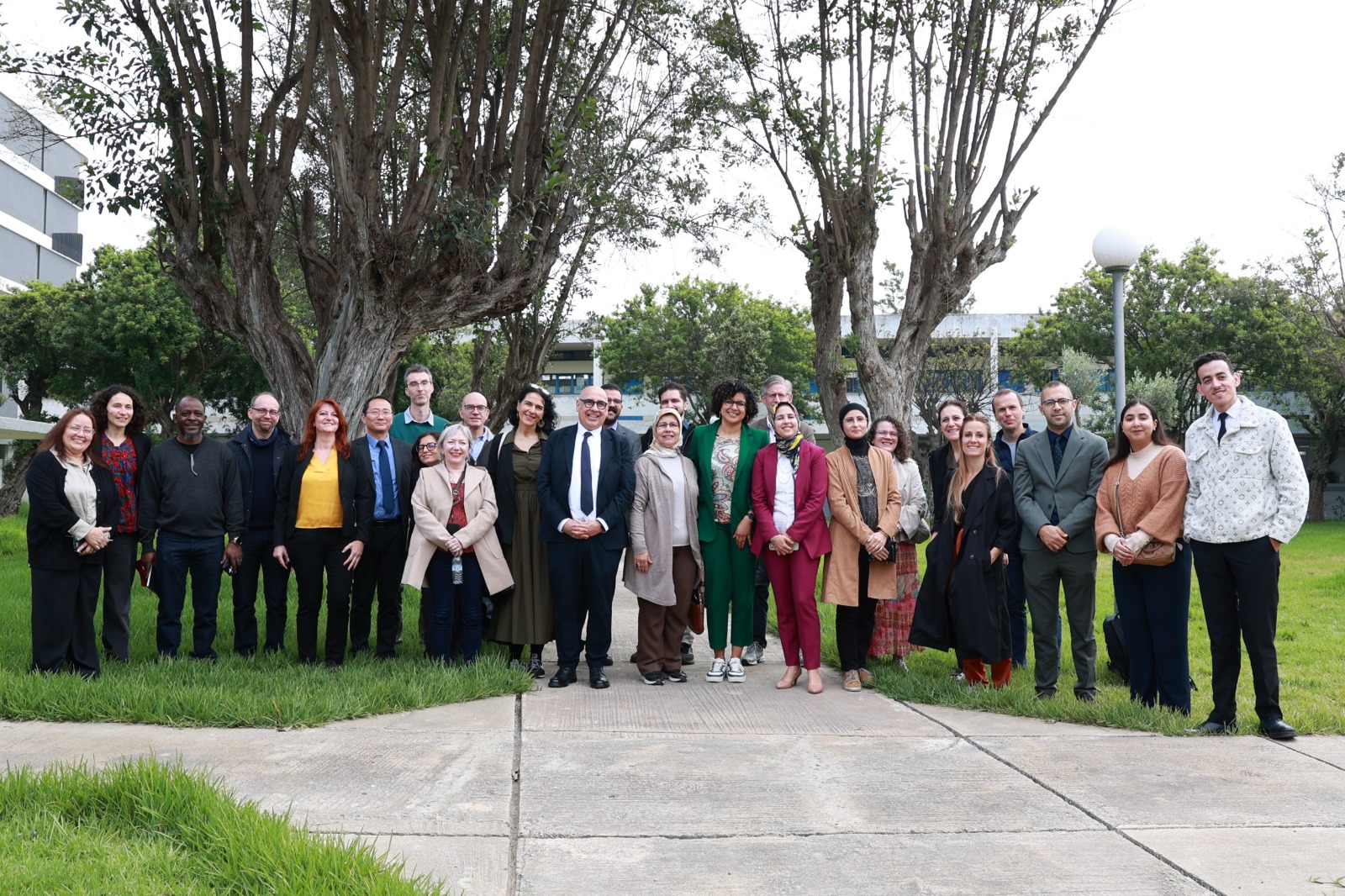
Participants first visited several key components of Hassan II University of Casablanca, including:
- Insertion & Entrepreneurship Pole – fostering student innovation and career readiness
- Center for Pedagogical Innovation – promoting modern teaching methods and digital learning
- Simulation Centre of the Faculty of Medicine and Pharmacy of Casablanca – a state-of-the-art facility for medical training and patient safety
- City of Innovation and Technology Transfer – driving research valorization and industry partnerships
- Casablanca Legal Clinic – providing legal aid and practical training for law students
These visits offered participants a firsthand look at UH2C's commitment to innovation, interdisciplinary collaboration, and real-world impact.
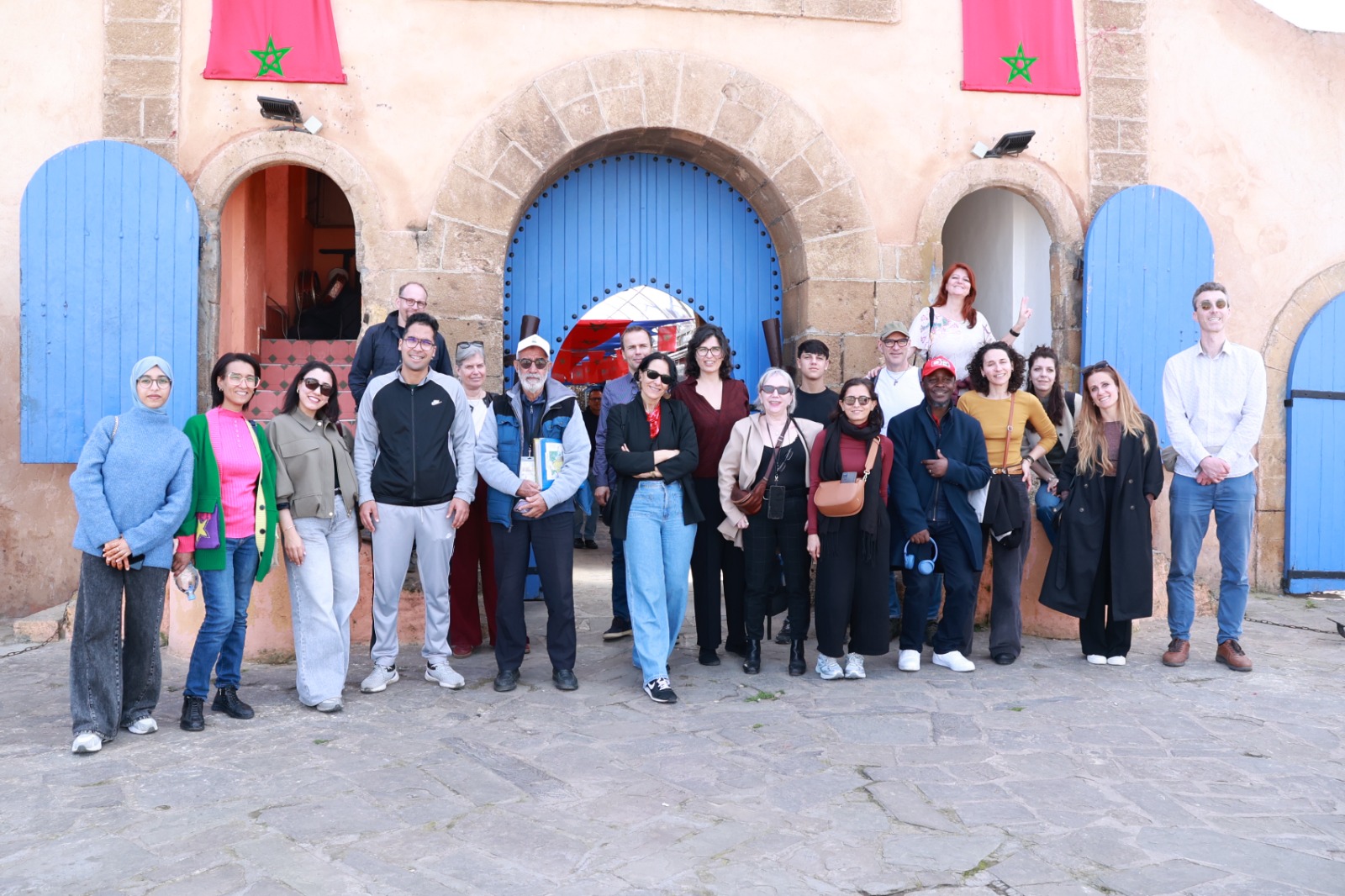
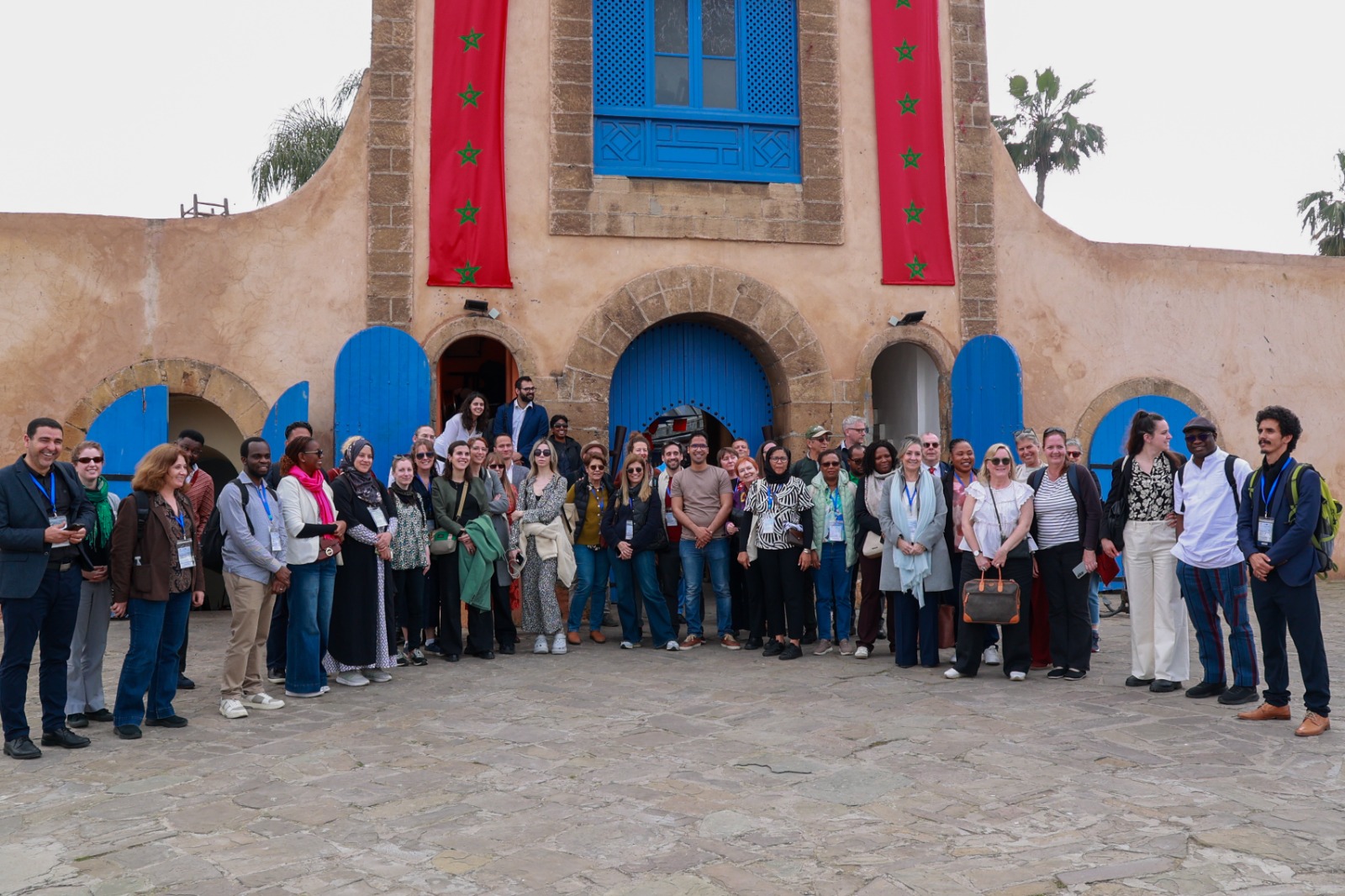
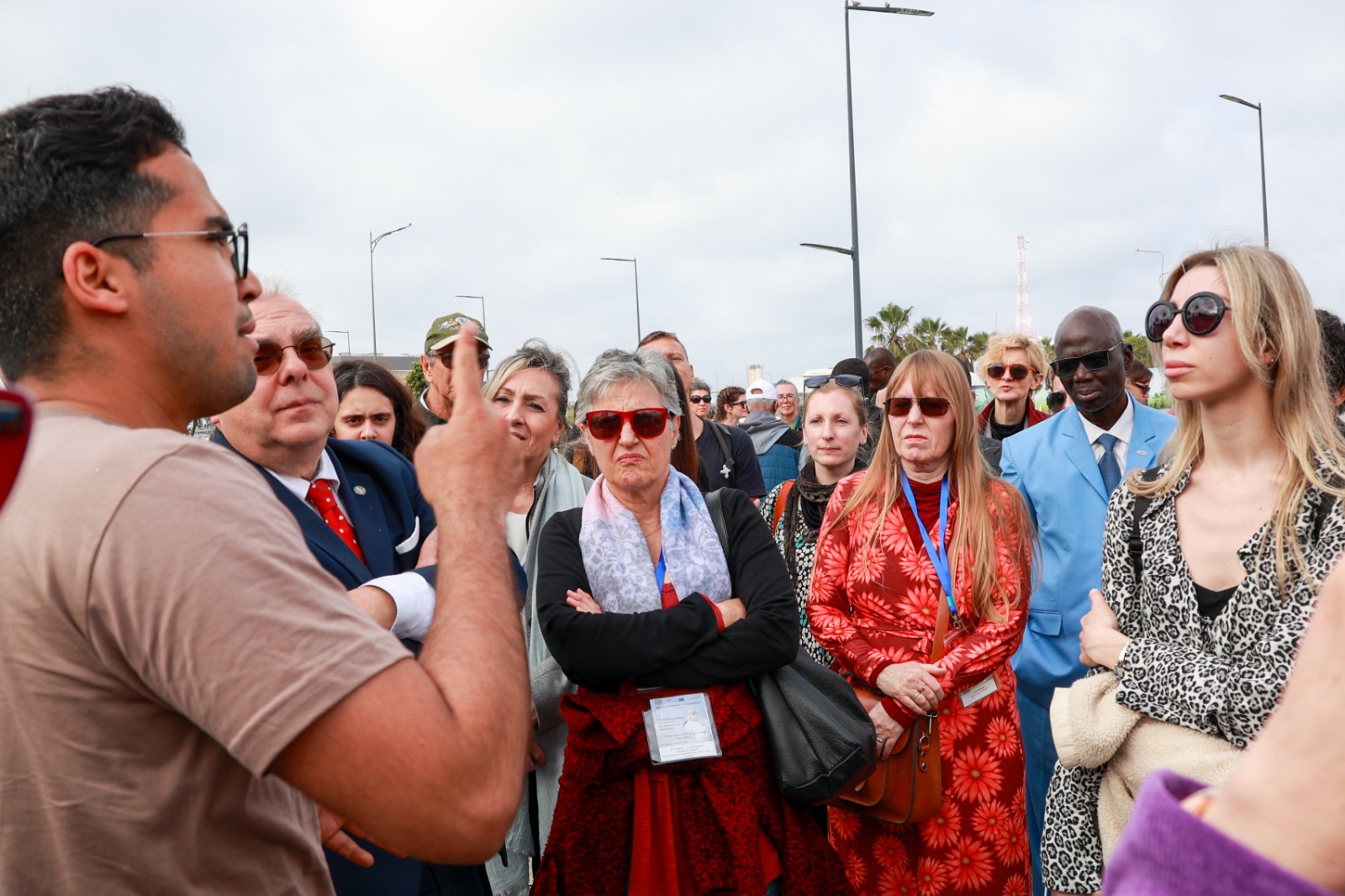
The discovery continued with a guided heritage tour showcasing the rich historical and architectural treasures of Casablanca. This cultural immersion provided a warm and convivial introduction to the city, setting the stage for the exchanges to come.
Day 1 – March 25, 2026 | Opening Ceremony
The Forum officially opened with a welcome address by Prof. Houssine AZEDDOUG, President of Hassan II University of Casablanca, who emphasized the urgent need to co-create solutions through education, research, innovation, and international cooperation. As host institution, UH2C reaffirmed its commitment to openness, interdisciplinarity, and strengthened Euro-African academic partnerships.
The inaugural session also featured contributions from:
- Prof. Stefan LANG, CIVIS Secretary General
- Prof. Estelle DOUDET, Chair of the CIVIS Research Council
- Prof. Mustapha LKHIDER, Vice-President for Research and Partnerships at UH2C
- Emeritus Prof. Abdelmajid BOUZIANE, UH2C
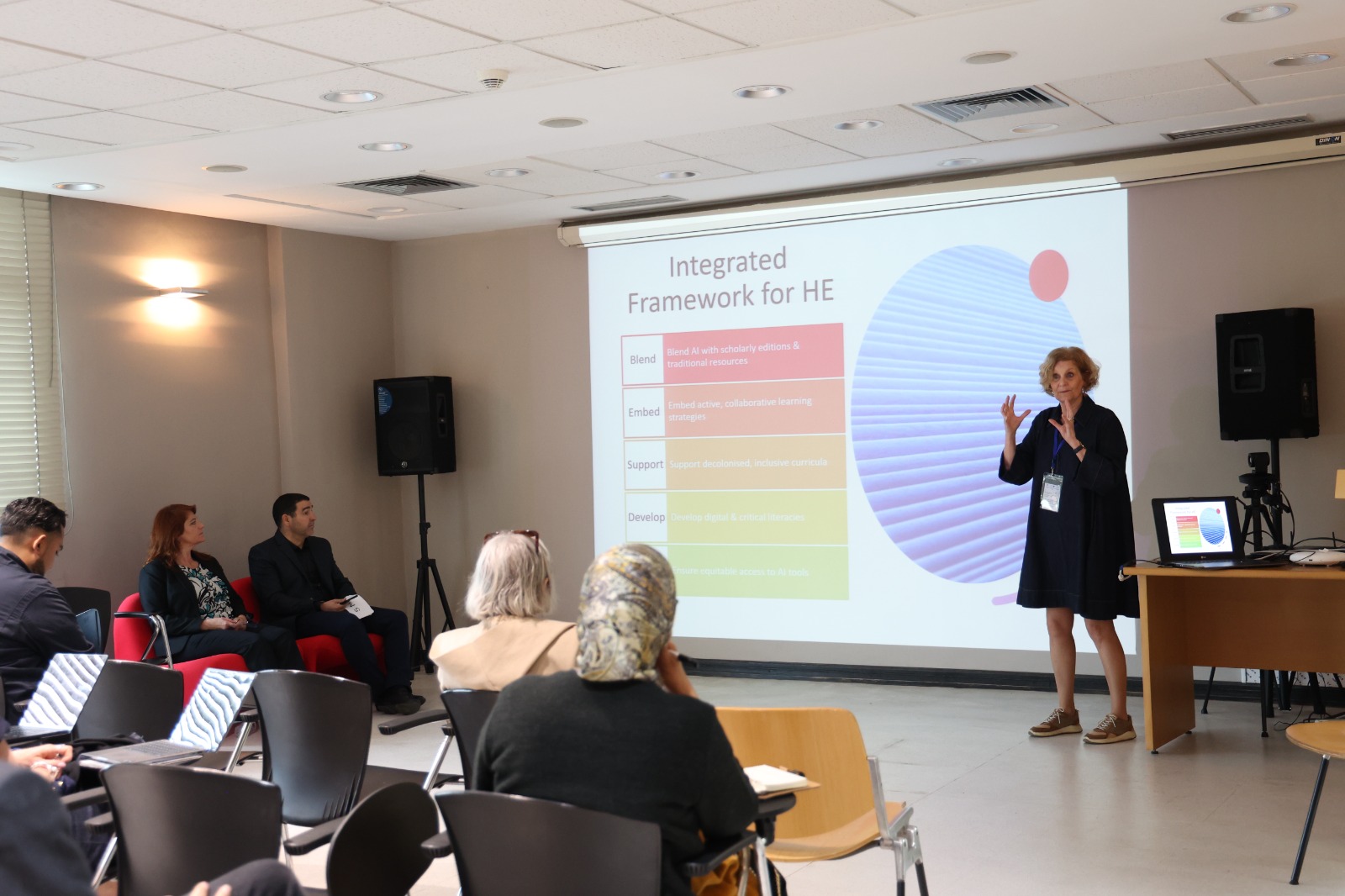
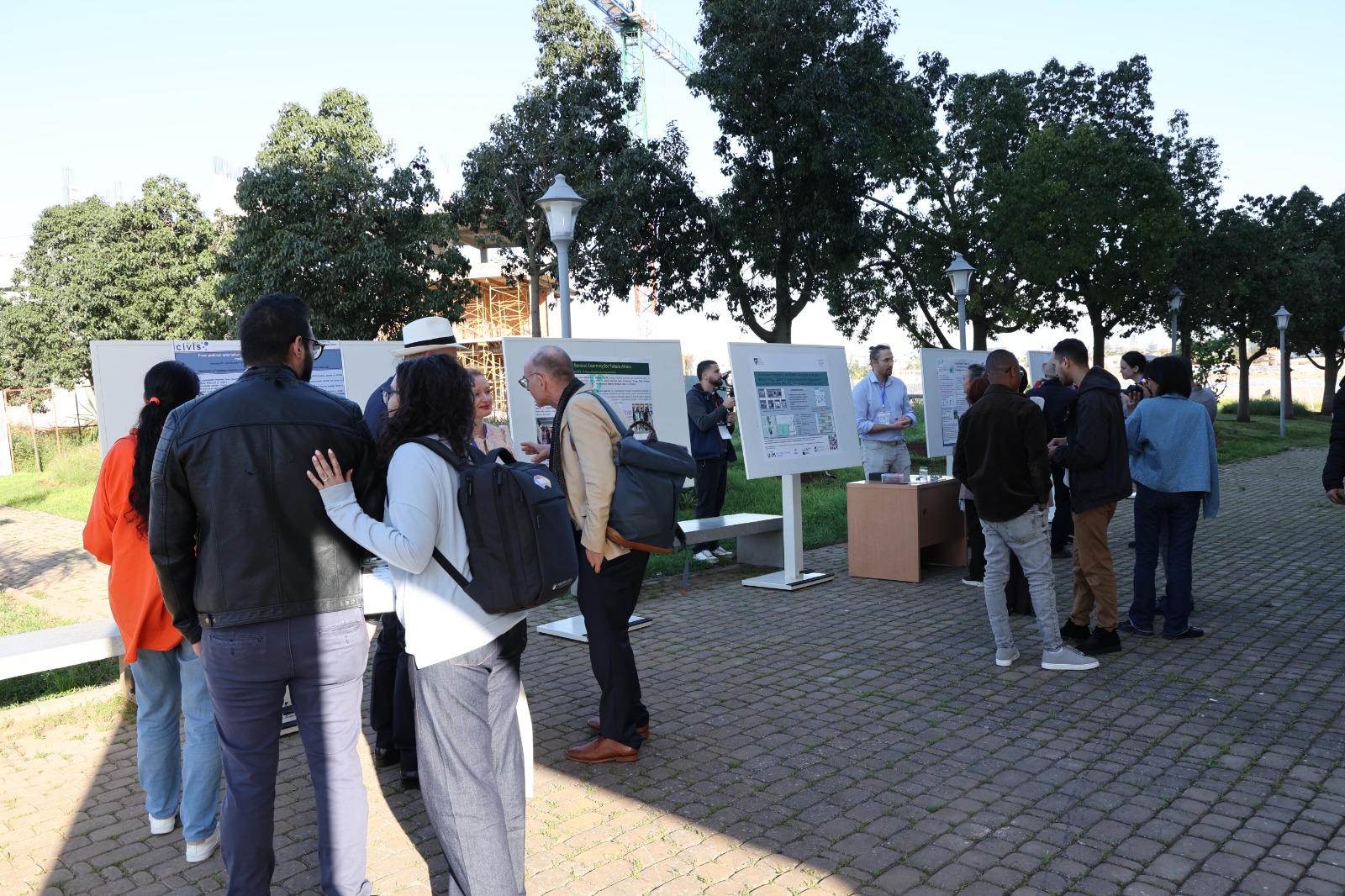
Discussions explored the evolving role of universities, the value of transdisciplinary approaches, and the importance of preparing learners for a rapidly changing world. The day concluded with a dynamic poster session, encouraging new connections and ideas for future collaboration.
Day 2 – March 26, 2026 | Equitable and Transformative Partnerships
The second day focused on a central question: How to build equitable and transformative scientific partnerships between Africa and Europe?
A roundtable titled “Toward Equitable and Transformative Science Partnerships: What Role for CIVIS?” was moderated by Christian Möllmann, CIVIS Global Partnerships Officer, with contributions from:
- Dr. Samia Chasi (University of the Witwatersrand)
- Prof. Mustapha Lkhider (Hassan II University of Casablanca)
- Mary Ryan (University of Glasgow)
- Prof. Fabio Sciarrino (Sapienza University of Rome)
Key takeaways included that equitable collaborations are not about identical roles, but about recognizing complementary expertise, shared leadership, and mutual benefit. Speakers addressed persistent structural challenges such as unequal access to funding, administrative barriers, and power asymmetries, stressing the need to move from intention to systemic transformation.
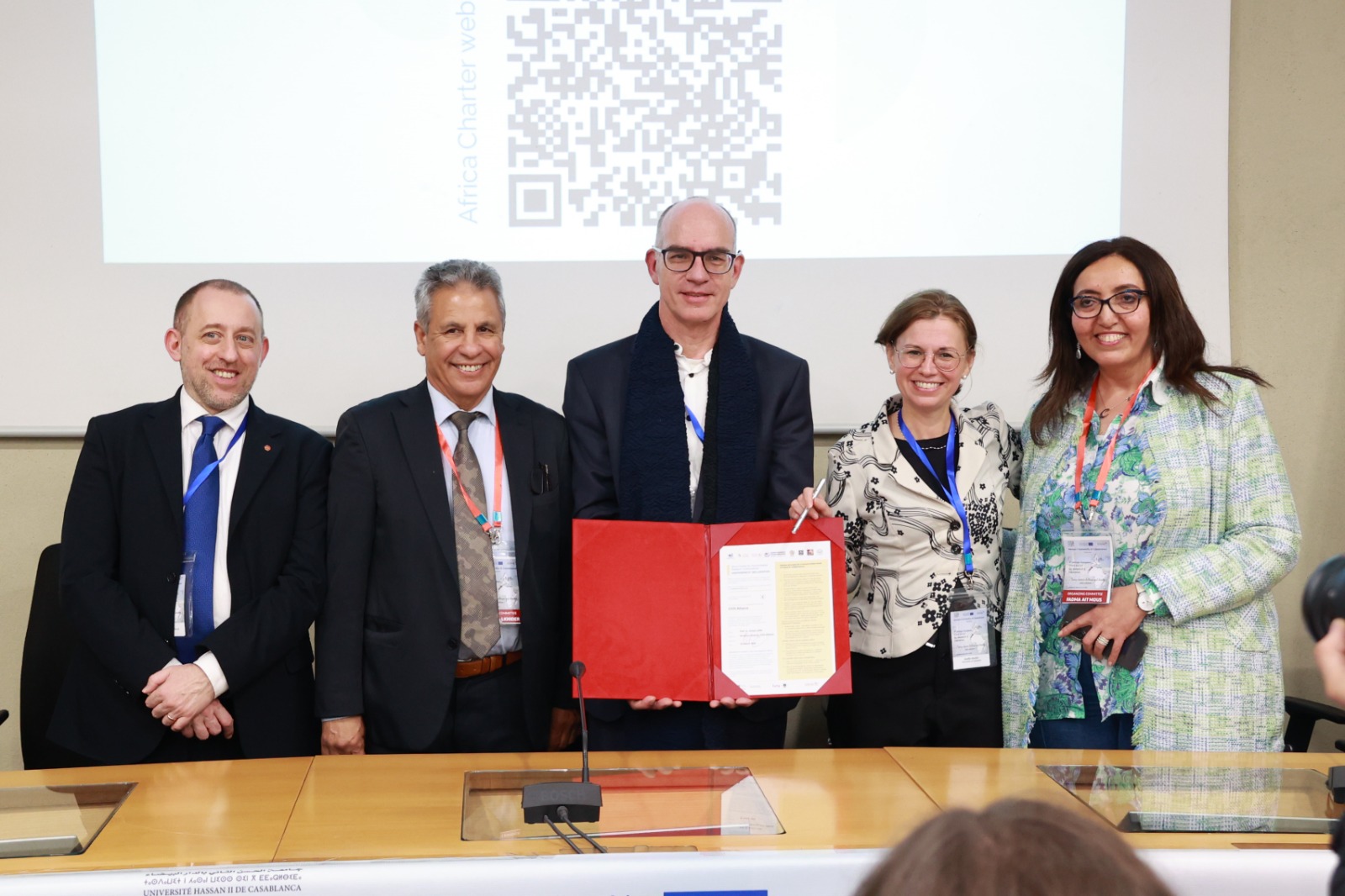
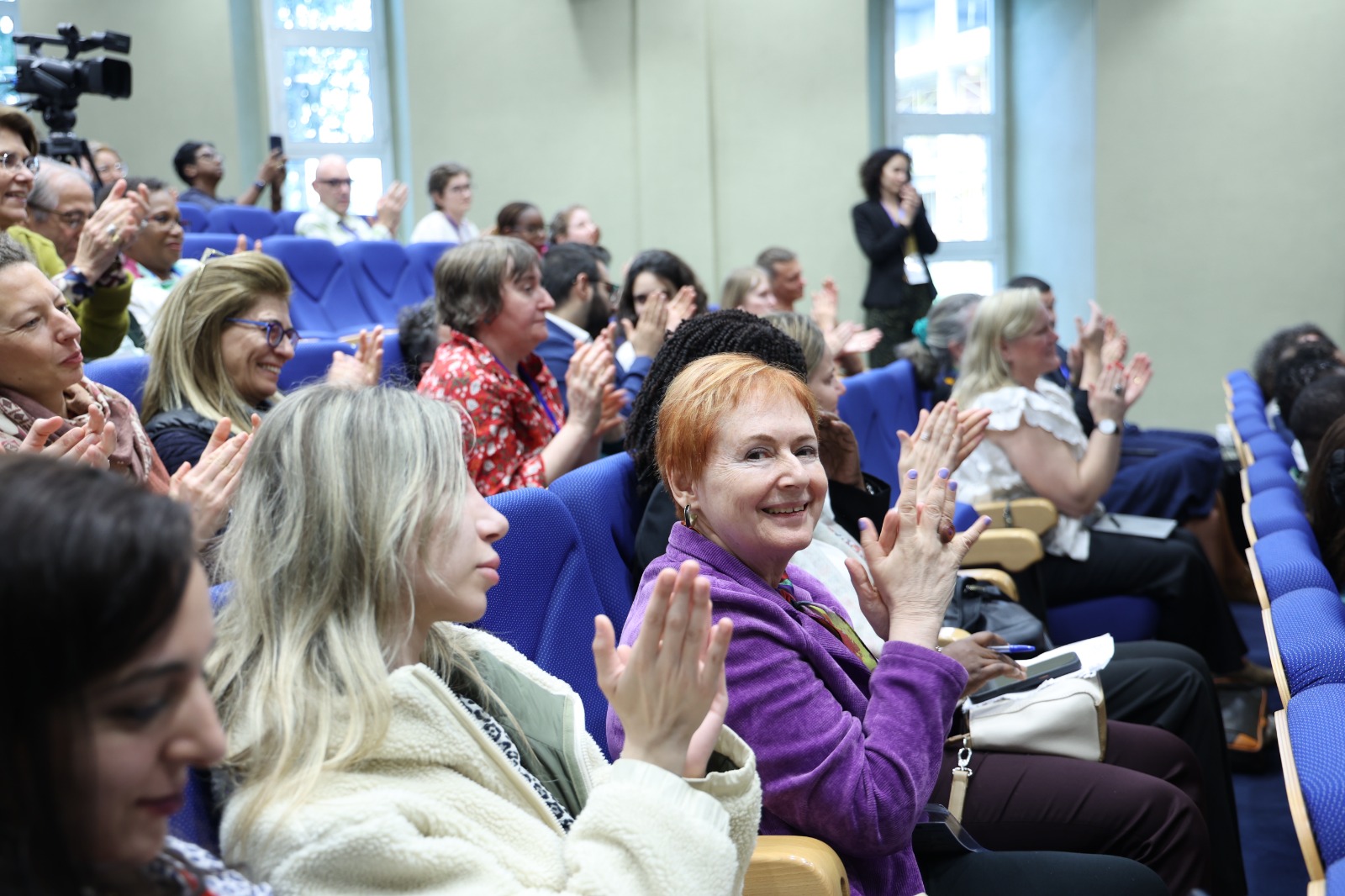
Prof. Isabella Aboderin (University of Bristol) presented the significance of the Africa Charter for Transformative Research Collaborations, followed by reflections from Prof. Estelle Doudet on its future impact within the CIVIS alliance. The day culminated in the official signing ceremony of the Africa Charter, led by Prof. Stefan Lang, CIVIS Secretary General.
Participants emphasized CIVIS's unique role in promoting co-creation, strengthening advocacy for mobility and research cooperation, and expanding sustainable joint initiatives. Enhancing student, doctoral, and researcher mobility was identified as a key driver for lasting transformation through the exchange of people, ideas, and knowledge systems.
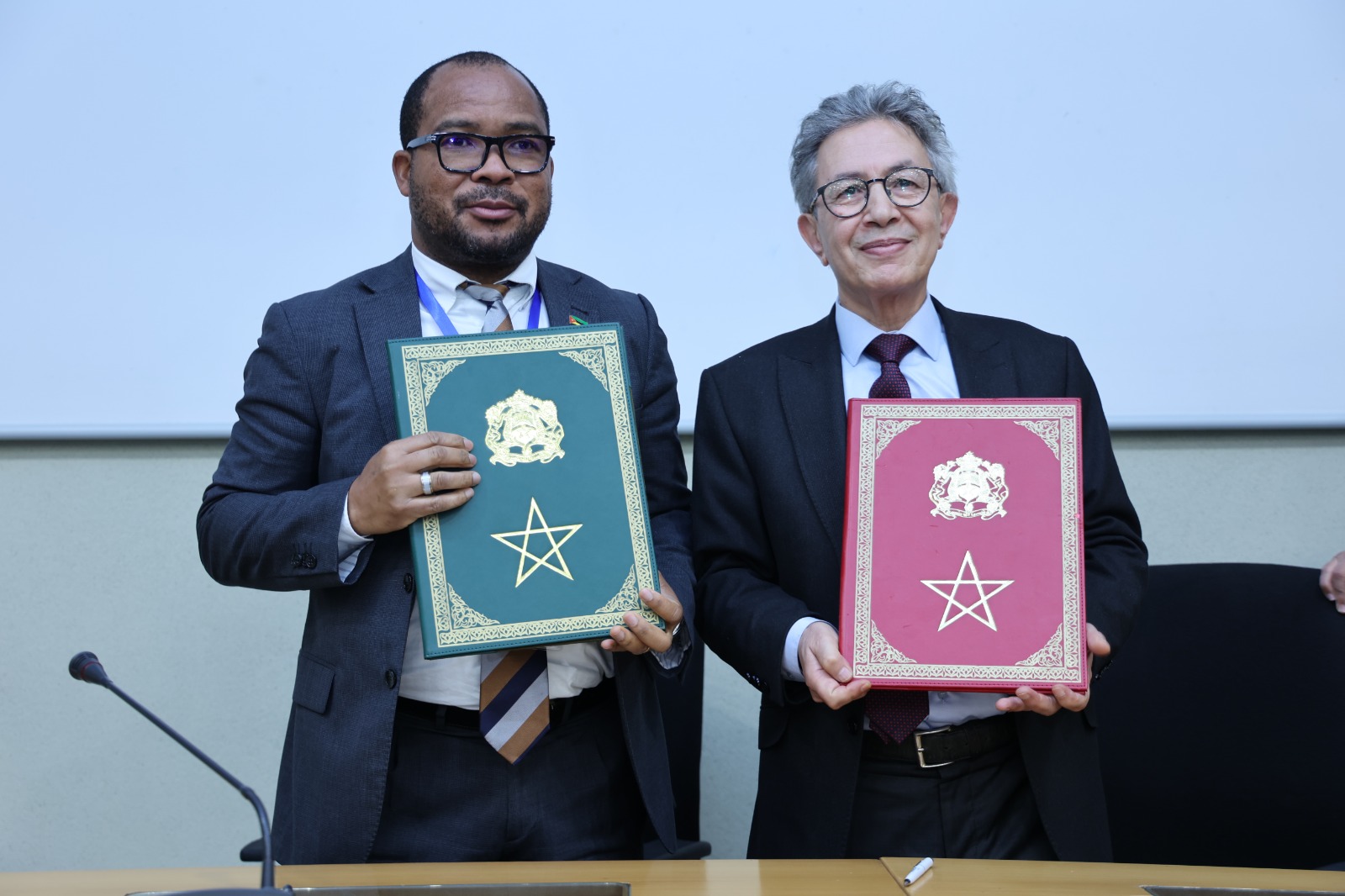
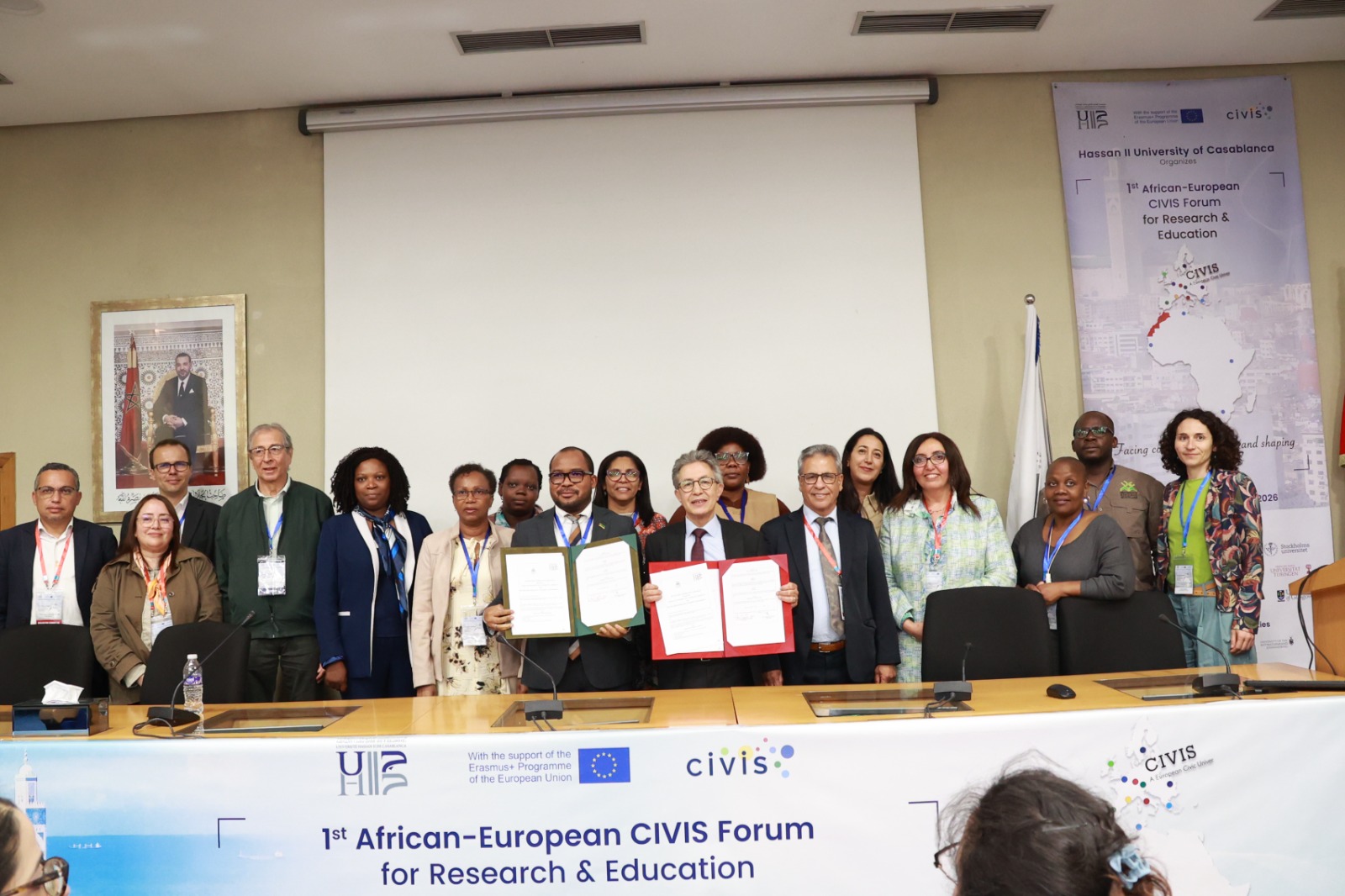
A landmark framework cooperation agreement was also signed on the sidelines of the Forum between Hassan II University of Casablanca and Eduardo Mondlane University (Mozambique), further expanding Africa–Africa academic partnerships.
Day 3 – March 27, 2026 | Lessons Learned and Looking Ahead
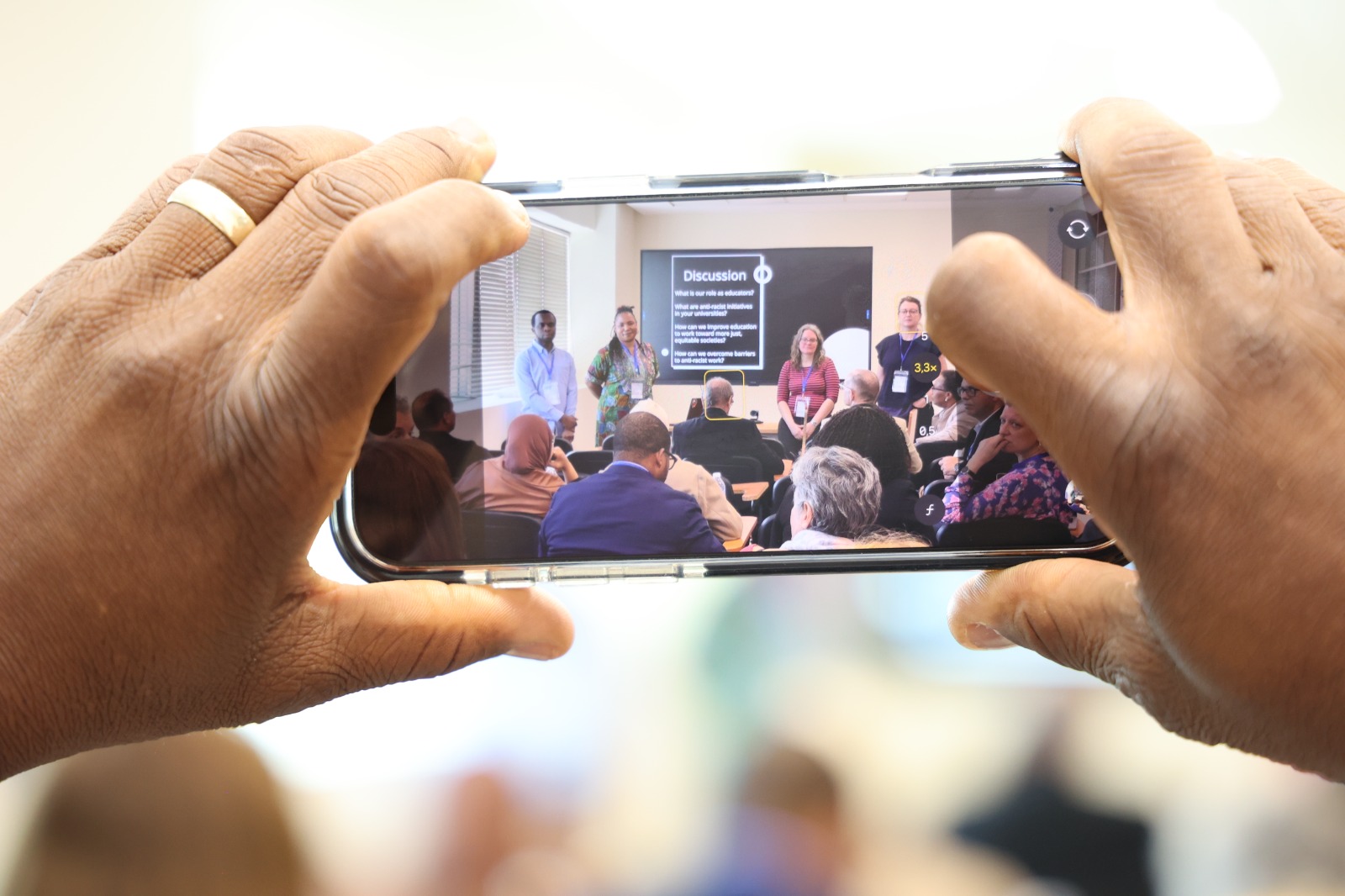
The final day of the Forum featured an engaging and interactive plenary session titled “Which Lessons from the 1st CIVIS Forum?” a moment to pause, reflect, and look ahead.
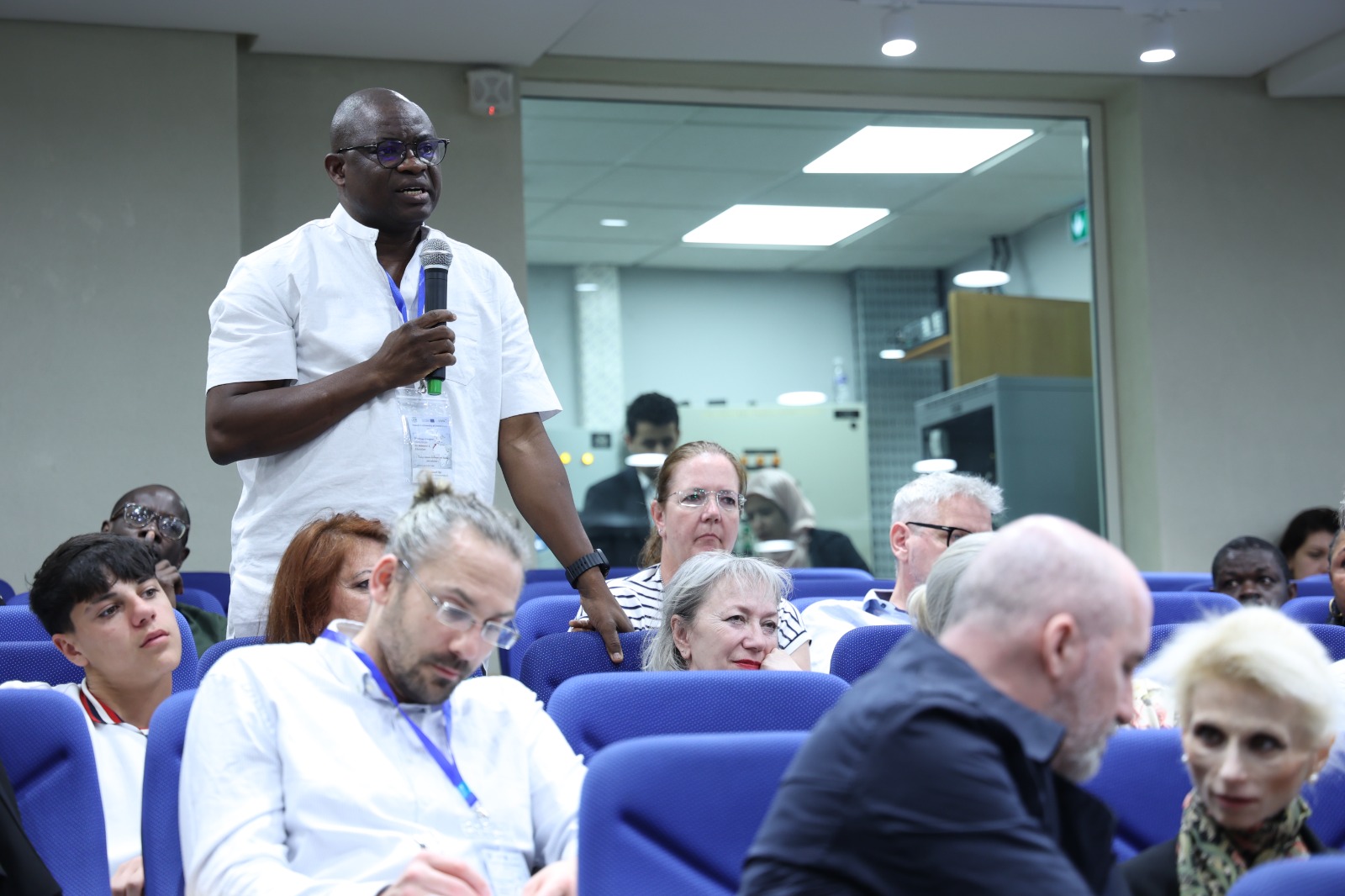
This concluding session provided a valuable opportunity for participants to exchange new ideas, strengthen academic connections, and co-construct innovative cooperation initiatives. Through open dialogue and collective reflection, participants highlighted the importance of shared knowledge, intercultural understanding, and joint action in addressing common challenges.
Key recommendations included:
- Reinforcing sustainable frameworks for student and staff mobility
- Developing joint research initiatives rooted in co-construction
- Deepening intercultural dialogue as a foundation for collaboration
- Broadening the CIVIS network to include more African higher education institutions
On the sidelines of the CIVIS Africa–Europe Forum – Casablanca, a landmark framework cooperation agreement was signed between Hassan II University of Casablanca (Morocco) and Eduardo Mondlane University (Mozambique) .
The agreement was signed by:
- Prof. Houssine AZEDDOUG, President of Hassan II University of Casablanca
- Prof. Manuel GUILHERME JÚNIOR, Rector of Eduardo Mondlane University
This strategic partnership paves the way for enhanced collaboration in key areas, including:
- Joint research activities
- Faculty and student exchanges
- Doctoral student exchanges and joint supervision of doctoral theses
- Exchange of scientific publications and curricula
- Joint publications and teaching materials
- Organization of common courses and seminars
A significant step toward deeper academic integration and knowledge sharing across the African continent. Congratulations to both institutions and their rectors for this commitment to building a stronger, more connected higher education landscape in Africa!